

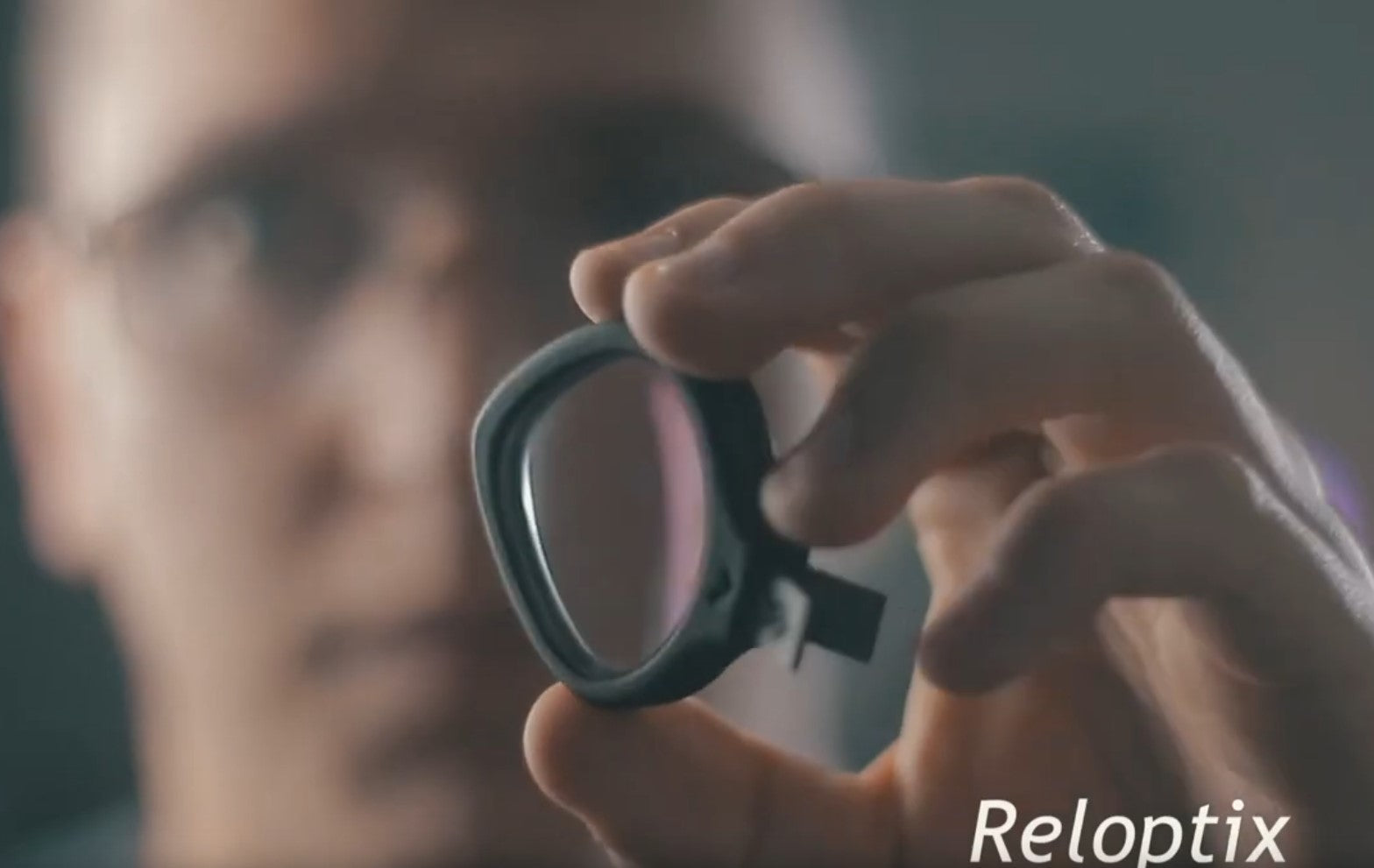
Understanding clarity, comfort, and the limits of built-in VR diopter adjustment
Some VR headsets include a diopter adjustment dial to help improve focus, particularly for nearsighted users. But is this adjustment enough to skip prescription lenses altogether?
While it can help in certain situations, it doesn’t fully replace them for most users.
In this post, we’ll look at how diopter adjustment works, where it falls short, and when prescription lenses still make a difference.
What Is a Diopter Adjustment Dial?

A diopter adjustment dial changes how each lens focuses inside the headset. By rotating the dial, you shift the focal distance to better match your vision.
Where it works well:
-
Mild to moderate myopia (nearsightedness)
-
Quick adjustments without extra accessories
-
Users who want a minimal setup
Where it struggles:
-
Strong prescriptions
-
Precision matching between both eyes
Diopter Adjustment vs. IPD VR: What’s the Difference?
The terms diopter adjustment dial and IPD VR are often confused—but they solve completely different problems.

IPD VR Adjustment
-
Moves the lenses closer or farther apart
-
Matches the distance between your pupils
-
Improves alignment and reduces eye strain
Diopter Adjustment Dial
-
Changes how the image is focused
-
Compensates for nearsightedness
Headsets like the Meta Quest 3 rely on IPD adjustment, but don’t include a diopter dial. That distinction matters, because alignment and focus solve different problems in VR.
When Diopter Adjustment Might Be Enough
For some users, diopter adjustment can get surprisingly close to clear vision—but it depends on your prescription and how you use VR.
Quick Self-Check: Will It Work for You?

Where Diopter Adjustment Falls Short
Even in the best-case scenarios, there are a few areas where diopter adjustment falls short:
1. It Doesn’t Correct Astigmatism
If your vision includes astigmatism, a diopter dial won’t address it. You may still notice blur, especially around text or fine details.
2. It’s Not Exact
Diopter dials adjust in ranges, not precise prescriptions. That means your vision is approximated, not matched.
3. Comfort Can Decrease Over Time
If the correction isn’t complete or precise, it can lead to:
-
Eye fatigue
-
Subtle strain during longer sessions
-
Reduced immersion
These issues tend to show up the longer you stay in VR.
Diopter Adjustment vs Prescription Lenses

Diopter Adjustment vs Prescription Lenses
If you’re deciding between the two, here’s a clear side-by-side comparison:

Beyond visual clarity, prescription lenses also simplify the physical experience for users who would otherwise wear glasses in VR:
-
Less pressure on your face
· No glasses inside the headset
-
Lower risk of scratching your device lenses
So, Does Diopter Adjustment Replace Prescription Lenses?
In most cases, no, it doesn’t fully replace them.
It can be a helpful tool for quick adjustments or mild nearsightedness. But it doesn’t provide the full, precise correction that many VR users need for a clear and comfortable experience.
A simple way to think about it:
-
Diopter adjustment dial = basic focus tuning
-
Prescription lenses = complete visual correction
Final Thoughts: Choosing What Works for You
For occasional use and simpler prescriptions, a diopter adjustment may be enough.
But for longer sessions, more precise vision correction, or headsets without a diopter dial, prescription lenses tend to provide a more consistent and comfortable experience.
Explore Reloptix prescription lens inserts for a clearer, more comfortable VR experience.
Share:
VR Eye Tracking and Glasses: What VR Users Should Know